Company Promotional Manual
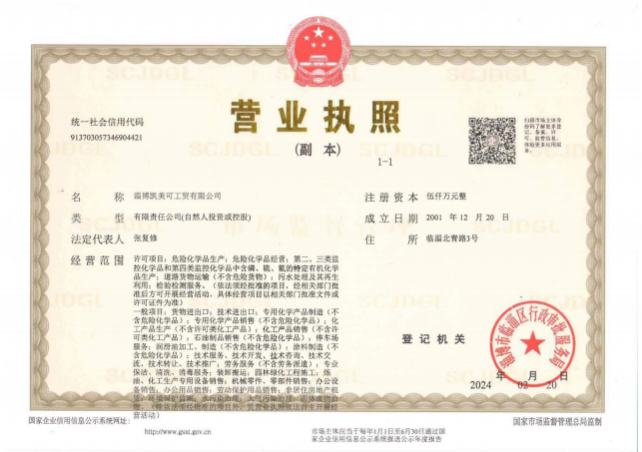
ZiBo Special Chemicals Production co., ltd
淄 博 凯 美 可 工 贸 有 限 公 司
Apr.,2026
I. Company Profile
1. Engaged in the field: research and development, production and sales of desulfurization and decarburization agents, corrosion inhibitors, passivators, industrial circulating water and sewage chemicals and other high-end special chemicals, mastering the international leading technology of ultrasonic treatment of sludge, dirty oil, sludge, services in petrochemical industry, coal chemical industry, petroleum and natural gas extraction and other fields.
2. Core technology:
2.1 The company's high-efficiency desulfurization and decarburization agents, deep-sea oil recovery corrosion inhibitors, acrylonitrile dispersants, styrene blocking agents and other special chemicals to achieve localized substitution, breaking the technology monopoly of Dow Chemical, Eastman Chemical, Suez Chemical, Inexpress and other companies.
2.2 The world's first boron-based metal passivator was developed and produced to replace similar antimony-based products, reducing costs by 90% and enabling customers to realize zero solid waste emissions.
2.3 The self-developed spatial field multi-source multi-directional adjustable acoustic field ultrasonic patented technology and equipment reaches the international leading level, which greatly reduces the cost of hazardous waste treatment of sludge, oil and sludge in petrochemical and oil and gas extraction fields, and realizes the reduction and resourceization of hazardous waste of not less than 85% compared with the traditional way, which has excellent economic and ecological benefits.
2.4 The company is developing an artificial intelligence system for modeling and controlling the acid gas purification process, which fills the gaps of AI application in petrochemical desulfurization and decarbonization and natural gas purification in China.
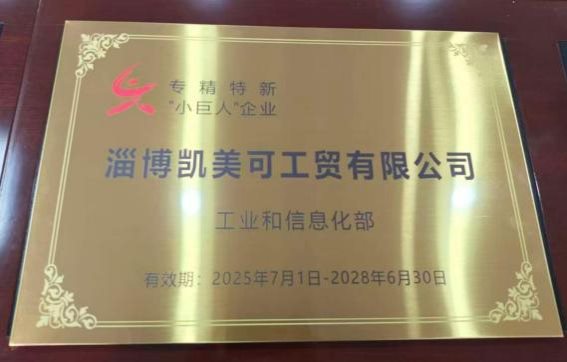
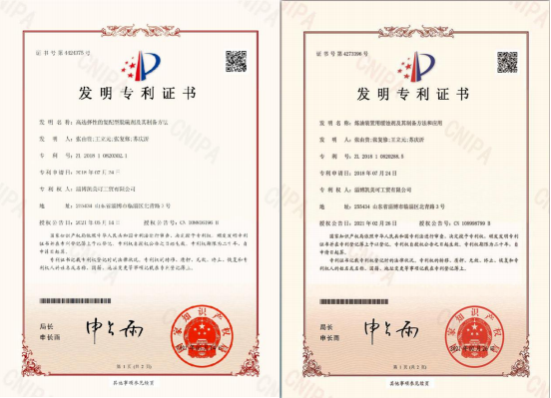
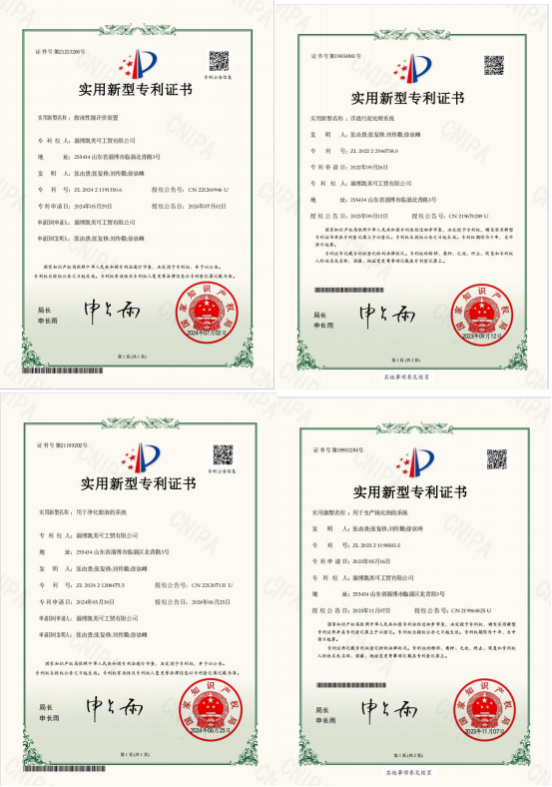
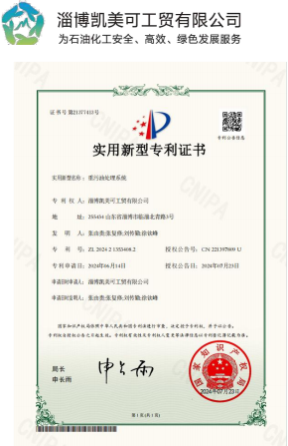
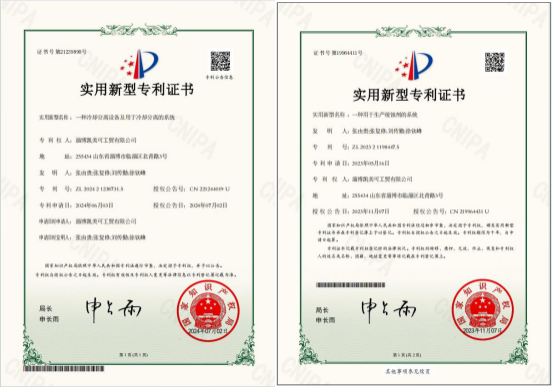
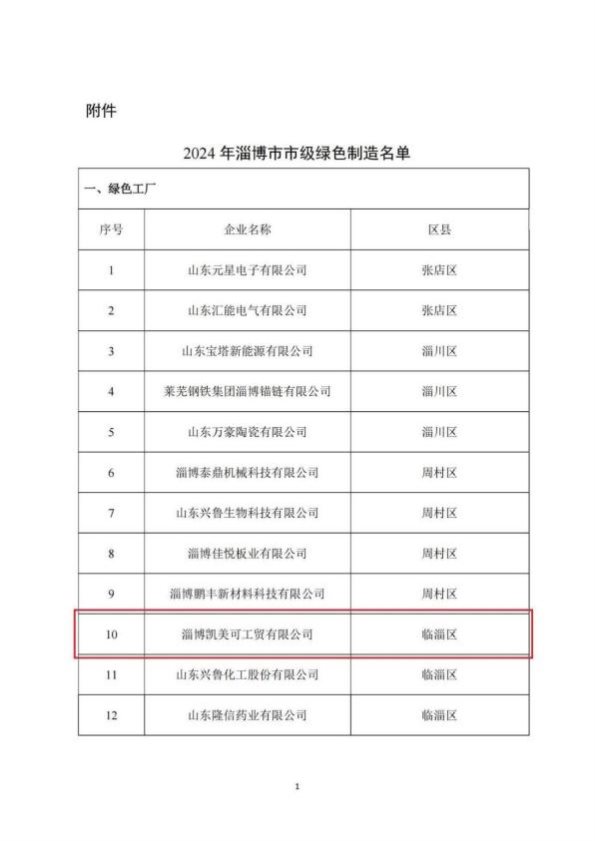
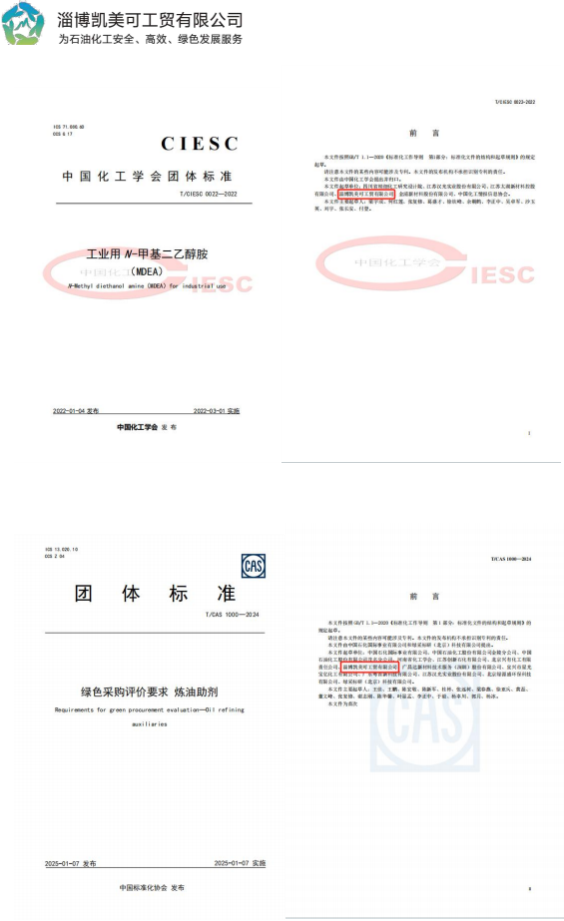
2.5 The company is a national “speciality, speciality, speciality, new” small giant and high-tech enterprises, has been authorized 25 invention patents, 8 utility models, participated in the formulation of one national standard, two group standards.
3. Management Strategy: With science and technology innovation and customized service marketing as the double engine, deepen the technical cooperation with Nanjing Chemical Industry Research Institute, Qilu Petrochemical Research Institute, Shandong University of Science and Technology and other large institutions to enhance the ability of independent innovation, AI technology and other new productivity into the products and services, R & D investment in the last three years accounted for 4.8% of compound growth rate of more than 21.6%, and continue to develop the dual market at home and abroad.
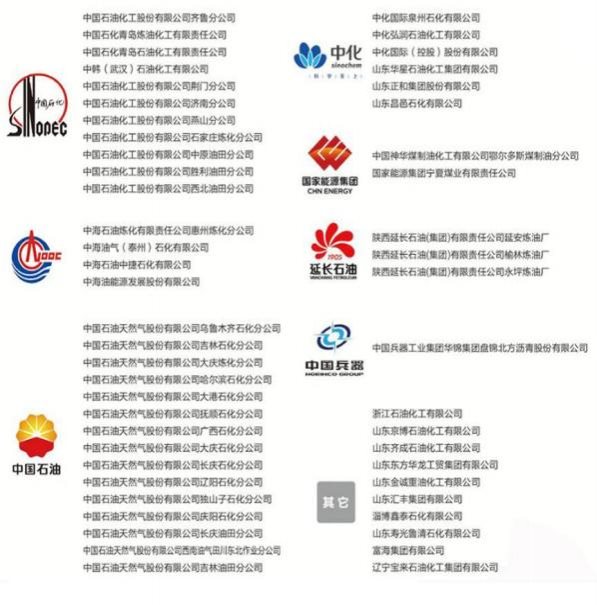
4. The main customer base: domestic long-term service Sinopec, PetroChina, Sinochem Group, China Arms Group, National Energy and other centralized enterprises, as well as the strength of the Dongming Petrochemical, Fuhai Group, Jincheng Petrochemical and other private enterprises;The main foreign markets in the past two years for Uzbekistan, Kazakhstan, Iraq and other countries, the next step focus on the development of Southeast Asia and the Middle East market.
5. The position and status of the industry chain: the company is one of the main domestic petrochemical special chemicals production enterprises, various products after more than two decades of technological development precipitation, the current annual output of 13,000 tons, annual output value of
200 million yuan or so, the champion product of desulfurization and decarburization agent domestic market share of 31%, the industry ranked first, in the petrochemical industry to protect the stability of the operation has an irreplaceable role.

10. Quality Inspection Center and Scientific Research Analysis
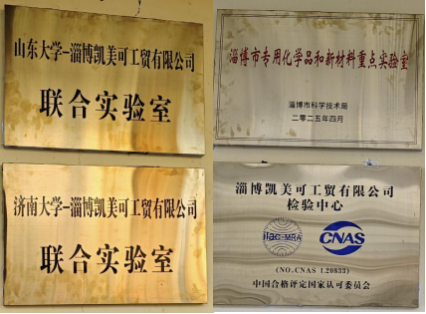
Our quality inspection center has 11 quality management and testing personnel, 2 senior laboratory workers, 5 intermediate laboratory workers, 4 junior laboratory workers, all 11 people to achieve the license. The quality inspection department is equipped with many advanced testing instruments and equipments, including X-ray fluorescence spectrometer, inductively coupled plasma emission spectrometer, EMCEE1152 oil conductivity meter, GC-2014C gas chromatograph, JSR1604 multi-purpose double-hole detector, etc., which provides a comprehensive and reliable guarantee for the inspection of products. The quality inspection department is directly responsible for the inspection of raw materials entering the factory, process control and products leaving the factory, forming a strict quality control network, and the inspection methods and instruments are all in strict accordance with the national standards, forming a guaranteed quality supervision system.
10.1 Chromatography Room:
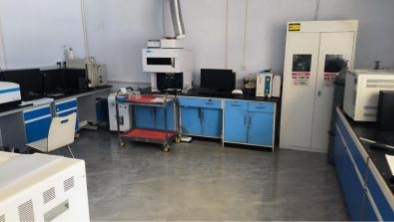
Above is the chromatography analysis room with 6 analyzers of various types.
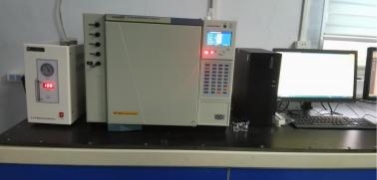
Chromatography analyzer: water content analysis

Chromatography Analyzer: MDEA Effective Composition Analysis
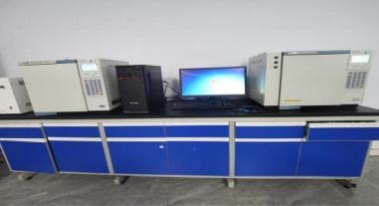
Chromatography Analyzer: Acid Gas Composition Analysis
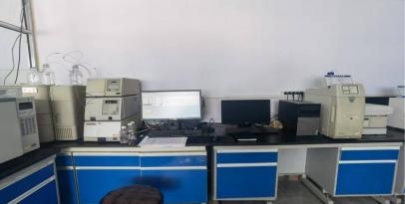
Ion Chromatography Analyzer
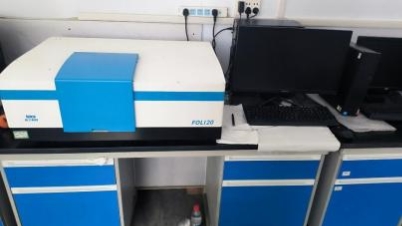
Fourier Transform Infrared Spectrometer
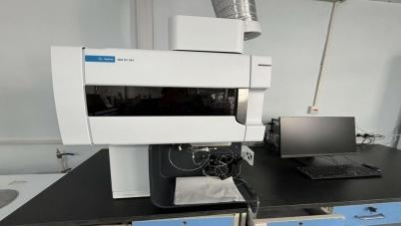
Agilent 5800 ICP-OES Analyzer: Metal Element Analysis
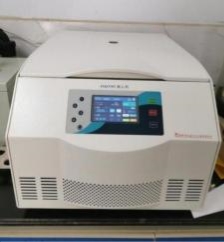
Centrifuges
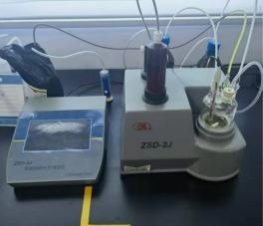
Automatic Karl Fischer Moisture Titrator

Potentiometric titrator
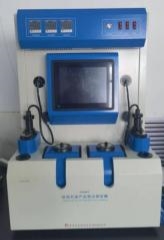
Fully automatic pour point tester

Single Wavelength Sulfur, Chlorine, Silicon Tester

Automatic kinematic viscosity tester
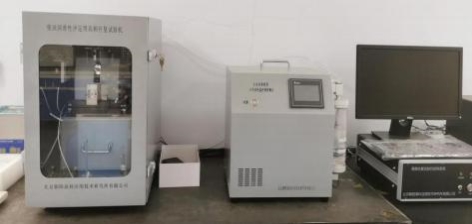
High Frequency Reciprocating Tester for Diesel Lubricity Evaluation

Multi-element oil analyser
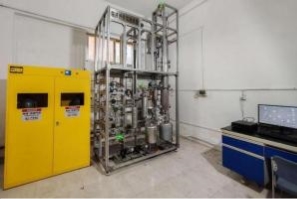
Amine liquid evaluation test set
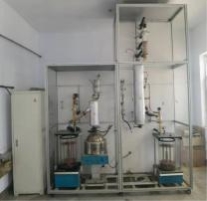
Real boiling point distillation tester
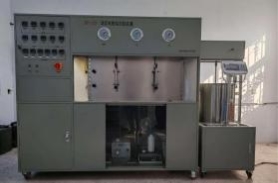
Ultrasonic, supercritical and dynamic electrodesalination test sets
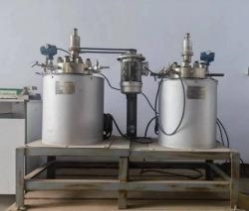
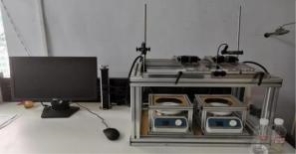
One tow two synchronized high temperature and high pressure corrosion inhibition evaluation device
III. Main products
1. Refining auxiliaries
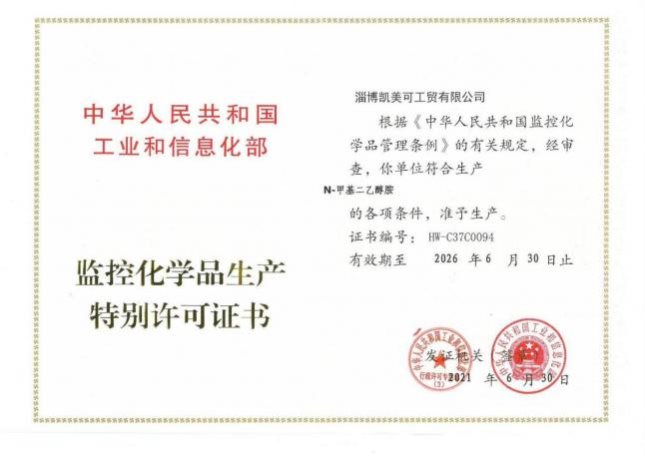
The company specializes in the production of refining auxiliaries series products, the main products are: N-methyldiethanolamine, composite desulfurization agent, high-efficiency desulfurization agent,
decarburizing agent, defoamer, corrosion inhibitor, neutralizer, emulsion breaker, metal passivation agent, increased production of propylene
auxiliaries, sulfur transfer agent, scale inhibitor, oil antistatic agent,
coal-water slurry additives, cetane improver, slurry precipitant, diesel antifreeze and so on dozens of auxiliaries. Antiwear agent, antifreeze and dozens of other additives. Focus on the following types:
desulfurization agents, corrosion inhibitors, emulsion breakers, defoamers, passivators.
1.1 Desulfurizing agent
1.1.1 Introduction of desulfurizing agent
Commonly used desulfurizing agents are generally divided into primary amines, secondary amines and tertiary amines according to the number of C atoms attached to the N atom. Monoethanolamine (MEA),
diethylene glycolamine (DGA) belongs to the primary amine;
-L-alcoholamine (DEA), diisopropanolamine (DIPA) belongs to the
secondary amine; triethanolamine (TEA), N-methyl diethanolamine (MDEA) belongs to the tertiary amine.
Alcohol amine method of desulfurization is a typical absorption reaction process, most of the current desulfurization systems choose the
compound methyl diethanolamine as the absorber, which has a strong absorption capacity for hydrogen sulfide and a fast chemical reaction
rate. In the desulfurization tower, the absorbent is in countercurrent
contact with dry gas and liquefied gas. The amine liquid absorbs the
acidic gas H2S (CO2) and other sulfur impurities in the dry gas and
liquefied gas, and generates acid sulfide amine salt (or acid carbonate amine salt), and when the temperature rises, the generated amine salt decomposes again, releasing H2S (CO2) gas. Degradation of H2S to sulfur recovery device into sulfur, amine liquid can be recycled.
1.1.2 Technical characteristics
High desulfurization efficiency, high desulfurization efficiency to ensure that the product after desulfurization sulfur content requirements.
Regeneration rate, should have a lower activation energy, making the regeneration speed faster, thus reducing energy consumption. High
regeneration depth, high regeneration depth can make the poor liquid more poor, maximize the amine liquid absorption effect. Good
selectivity, should maximize the absorption of hydrogen sulfide,
minimize the absorption of carbon dioxide. High purity of effective
component, the content of effective component MDEA should be more than 99.5% (w), minimize the amount of heteroamine. Stable chemical
properties, stable properties can effectively inhibit the formation of heat stabilized salt and maintain high activity of desulfurization. Strong
anti-foaming performance, not easy to foam without adding defoamer and other surface-active components. Low corrosion, in the absence of external corrosion pollutant interference, corrosion should reach less than 0.1 mm/a.
1.1.3 Usage
According to the working condition, it can be used after diluted with low temperature softened water.
1.2 Corrosion inhibitor
1.2.1 Introduction of corrosion inhibitor
The product is an organic film-forming corrosion inhibitor with good
fluidity, divided into oil-soluble corrosion inhibitor and water-soluble
corrosion inhibitor, and corresponding to different installations, there
are also atmospheric decompression corrosion inhibitor, hydrogenation corrosion inhibitor, coking corrosion inhibitor, catalytic corrosion
inhibitor and so on. It is brown or brownish-yellow liquid at room temperature with obvious corrosion inhibition effect.
1.2.2 Technical characteristics
Anti-corrosion effect, can quickly form a self-repairing tough protective film on the surface of the protected metal, isolate the direct contact
between the medium and the protected equipment, so as to play a good anti-corrosion effect. Scale inhibition, can be dissolved and dispersed
scale compounds, in the process of scale generation, interference, so
that it is loose, easy to be washed away by the fluid. No adverse effect on the subsequent oil, strong adaptability to the corrosive environment.
1.2.3 Usage
Depending on the amount injected into different devices, the
film-forming period is generally no more than 40ppm, and the normal filling period is generally 10-20ppm.
1.3 Emulsion breaker
1.3.1 Introduction of emulsion breaker
The products are mainly used for oil-water separation in the fields of
petroleum extraction and refining, etc. There are mainly tank crude oil emulsion breakers, electric desalination crude oil emulsion breakers and reversed-phase crude oil emulsion breakers.
1.3.2 Technical characteristics
Tank crude oil emulsion breaker is an oil-soluble emulsion breaker, with
simple filling process, small injection volume, fast dewatering rate and obvious oil-water interface. Electric desalting emulsion breaker is also oil-soluble emulsion breaker, with strong targeting, wide adaptability,
simple filling process, small injection volume, and good breaking effect.
Reversed-phase demulsifier is water-soluble demulsifier, simple filling process, small injection volume, can effectively promote the separation of oil and water, so that the oil content in the cut water is reduced to the process of discharge requirements, and the water quality is clear.
1.3.3 Usage
Crude oil emulsion breaker in tank area: injected into the pipeline by
metering pump before crude oil enters into crude oil storage tank, the injection amount is 5-10ppm.
Electro-desalting emulsion breaker: before crude oil enters the heat
exchanger of electro-desalting tank, inject it into the pipeline with metering pump, the injection amount is 10-30ppm.
Reversed-phase emulsion breaker: add point in the cut water line of the
electric desalting tank, inject into the pipeline by metering pump, the injection amount is 3-5ppm.
1.4 Defoamers
1.4.1 Introduction of defoamer
The product is mainly applied to the coke plant in the oil refining
segment. In the process of coke generation, coke tower will produce foam layer above its liquid surface, and it will increase with the extension of coke generation time. The foam layer occupies the coke generation space of coke tower, and it will be carried out with the gas phase after it
reaches a certain height, which will result in a series of problems such as coking in large oil and gas lines, and coke powder in the fractionation tower. Adding defoamer can reduce the height of foam layer, improve the handling capacity of coke tower and reduce the amount of coke powder carried.
1.4.2 Technical features
Effectively eliminate the foam of coke tower, the space of coke tower
increases, which can improve the processing capacity of the device. Less coke powder carrying capacity of reaction oil and gas, improving coke product quality. Extend the operating cycle of the device, increase the utilization rate of the equipment and reduce the energy consumption of the device. Strong adaptability to raw materials, non-toxic, low silica, low impact on subsequent devices.
1.4.3 Usage
Coking defoamer injection point: new devices are generally added from
the top of the coke tower, the top of the old device does not have an injection point is generally chosen to be injected in front of the four-way valve of the coke tower, the agent must be injected at the same time as the point of injection of 10kgf/cm2 steam, in order to prevent high-temperature thermal oil coking and blocking of the injection point. The general injection amount is 50-100ppm.
1.5 Passivators
1.5.1 Introduction to passivators
The function principle of passivator is based on the fact that the effective components of passivator are deposited on the surface of catalyst together with the raw material oil and interact with the metal nickel, vanadium, etc., either to form metal salts or to cover the metal surface in the form of film, which results in the change of dispersed state and form of existence of the polluted metal and the transformation of the metal into a stable and non-polluted active component, and the inhibition of selective destruction of its activity on the catalyst.
1.5.2 Technical characteristics
The product has high content of effective components, high pyrolysis temperature, small viscosity, easy to refill, no corrosion and no odor, simple storage and refilling equipment, can keep the catalyst micro-reverse activity before and after the addition of passivation agent does not decline, good water solubility, antimony in the composition and the content of active components can be adjusted arbitrarily according to the requirements of users.
1.5.3 Use method
The use of passivator should be based on the vanadium and nickel content of the raw oil and the amount of nickel and vanadium deposited on the catalyst, and then project the amount of passivator required to be added. The general control range is 15-40ppm.
2. Oil and gas field auxiliaries
The auxiliaries produced by the company are mainly used in oil and gas fields, such as emulsion breakers, corrosion inhibitors, desulfurization and decarburization agents, antifoam agents, and so on.
2.1 Emulsion Breaker
2.1.1 Introduction of emulsion breakers
The products are mainly applied to the separation of crude oil and water in oil fields and the separation of condensate and water in gas fields.
2.1.2 Technical characteristics
Oil and gas field emulsion breaker is divided into oil-based emulsion breaker and water-based emulsion breaker, with simple filling process and small injection volume, which can effectively promote oil-water separation.
2.1.3 Usage method
According to different working conditions, use different emulsion breakers, the dosage is generally 5-30ppm.
2.2 Corrosion inhibitor
2.2.1 Introduction of corrosion inhibitor
The product is organic film-forming corrosion inhibitor with good fluidity, divided into oil-soluble corrosion inhibitor and water-soluble corrosion inhibitor, brownish-brown or brownish-yellow liquid at room temperature, with obvious corrosion inhibition effect.
2.2.2 Technical characteristics
The product is made of organic acid and organic amine as raw materials, S, N amide-containing compounds synthesized by high-temperature reaction, supplemented with water, alcohol and oil solvent blending
made of oil and gas field corrosion inhibitor imidazoline. The product is oil-soluble with oil and alcohol as solvents. Mainly used for the protection of oil and gas field pipe and equipment, protection to reduce the oil and gas field pipe and equipment due to various reasons by the corrosion.
2.2.3 Usage
Mix with solvent 1:(5-10). It is recommended to carry out pre-film treatment before use.
2.3 Desulfurization and decarburization agent
2.3.1 Introduction of desulfurization and decarburization agent
The product is mainly used for desulfurization and decarburization of refinery gas, natural gas, petroleum gas, etc., as well as decarburization of large-scale ammonia plant.
2.3.2 Technical characteristics
The product has the advantages of high rate of acid gas removal from natural gas and petroleum gas, good selectivity, stable nature, not easy to degrade, not easy to foam, low energy consumption, easy to prepare and use, low corrosiveness, low operating costs, and so on.
2.3.3 Usage
According to the requirements of working conditions, the agent can be diluted with low-temperature softened water and then used.
2.4 Antifoaming agent
2.4.1 Introduction of antifoaming agent
In the extraction, separation, storage and refining of crude oil, stable foams are easily formed due to pressure changes, mechanical agitation, gas release or the presence of surface active substances. These foams will reduce equipment efficiency, increase energy consumption, affect metering accuracy, and even cause safety hazards (e.g. tank overflow).
Crude oil defoamer quickly eliminates or inhibits the formation of foam by destabilizing the foam.
2.4.2 Technical characteristics
It can quickly reduce the surface tension of foam, quickly destroy the formed foam, and at the same time inhibit the generation of new foam with long-lasting effect. Applicable to high temperature, high pressure, high salt and other complex conditions.
2.4.3 Use method
According to the requirements of site working conditions, the agent can be used after dilution.
3. Water Treatment Auxiliaries
The company produces additives used in water treatment are reverse osmosis chemicals, circulating water chemicals and sewage chemicals.
3.1 Reverse osmosis chemicals
Reverse osmosis chemicals mainly include reverse osmosis scale inhibitor and dispersant, reverse osmosis biocide, reverse osmosis flocculant,
reverse osmosis cleaning agent and so on.
3.1.1 reverse osmosis scale inhibitor dispersant
The product is a highly efficient composite formula concentrated reverse osmosis scale inhibitor. Scale inhibition effect is good, wide range of use, the conventional water quality can play a good scale inhibition, dispersion effect; especially suitable for carbonate, sulfate, calcium fluoride, magnesium oxide and iron oxide precipitation caused by scaling, its scale inhibition efficiency is high and does not coagulate with residual coagulant or aluminum-rich and iron-rich compounds, does not form coagulants. It can prevent scaling in reverse osmosis (RO), nanofiltration (NF) or ultrafiltration (UF) systems without ion exchange pretreatment, and improve water production and water quality. The product is available in two different formulations: acidic and alkaline.
The dosage is based on the specification of reverse osmosis membrane, water production, operating conditions, water quality, etc. For most water quality, the general dosage is 3-5ppm.
Mutually soluble with water in any proportion, the use of the system according to the water intake and dosing pump to determine the actual output dilution ratio, the maximum recommended dilution ratio of not more than 10 times.
3.1.2 Reverse osmosis sterilization agent
The product is a composite non-oxidizing biocide special for reverse
osmosis system, which has strong penetration ability to microbial cells and produces decomposition and destruction of microbial cell tissues, and has strong killing and inhibiting effects on microorganisms such as bacteria, fungi, algae and other microorganisms in reverse osmosis equipments. It has good affinity with water, can efficiently reduce the growth of bacteria on the surface of the membrane and the formation of biological slime, is harmless to the environment, and degrades quickly in water.
It can be used continuously or intermittently. When continuous dosing, it is recommended to add the dosage of 3-6mg/ L to the raw water continuously by metering pump; when intermittent dosing, it is recommended to dosage 150-200mg/ L once a week for 30 minutes, and adjust the dosage appropriately according to the water quality and membrane contamination condition.
3.1.3 Reverse osmosis flocculant
The product has good flocculation effect on the suspended matter and colloidal organic matter in the raw water of reverse osmosis equipment, and it has good compatibility with the reverse osmosis membrane scale inhibitors of various famous brands. The product is a kind of inorganic polymer flocculant, which has no damage to the reverse osmosis membrane of all known brands and models.
The dosage is 1-5ppm, diluted with demineralized water before use,
mixed evenly and then added into the water continuously by dosing pump. Specific dosage needs to be based on the site water quality and process.
3.1.4 Reverse osmosis cleaning agent
Reverse osmosis cleaning agent can be divided into acidic cleaning agent and alkaline cleaning agent.
Acidic cleaning agent is a composite liquid agent, suitable for CA membrane (cellulose acetate membrane), TFC membrane (polyamide composite membrane) chemical cleaning. There is no damage to the reverse osmosis membrane, calcium carbonate, calcium sulfate and other inorganic salts as well as a variety of metal oxides and other strong solubility, and in the cleaning process does not produce secondary precipitation pollution.
Alkaline cleaner is also a kind of compound liquid agent, suitable for chemical cleaning of CA and TEC series reverse osmosis membrane elements. There is no damage to the reverse osmosis membrane, sludge, organic matter, grease, microorganisms and viscous substances and non-acid soluble with strong penetration solubility, and in the cleaning process does not produce secondary precipitation pollution.
Cleaning dosage: usually about 2-5% of the liquid volume of the entire cleaning system.
3.2 Circulating water chemicals
Circulating water chemicals are mainly corrosion and scale inhibitors, biocides, slime strippers and so on.
3.2.1 Corrosion and scale inhibitor
Corrosion and scale inhibitor is an organic phosphonate, sulfonate copolymer and benzotriazole and several or more scale and corrosion inhibitor composite formulated from a new type of high-efficiency water quality stabilizer. It has good scale inhibition performance and excellent corrosion inhibition performance, calcium carbonate in the water, calcium phosphate, etc. have good chelating and dispersing effect, and carbon steel, copper has a good corrosion inhibition effect, mainly used in petrochemical industry, power plants, printing and dyeing factories, central air-conditioning and other chemical industry circulating water system.
The use of general according to the specific circulating water process and water quality analysis to provide detailed dosing program and monitoring indicators.
3.2.2 Bactericide
Circulating water biocides are mainly divided into non-oxidizing biocides and oxidizing biocides.
Non-oxidizing bactericide active component is mainly isothiazolinone derivative IT, which has strong penetration ability to microbial cell membrane, and microbial cell tissue decomposition, destruction. It is a
broad-spectrum algaecide with strong killing and stripping effect on bacteria and algae. It is a broad-spectrum algaecide, which can be used in industrial circulating cooling water system, oilfield water injection system, leather, paint and coating enzyme prevention. Based on the standard of Sinopec SH2604.09-2003.
It is used at the entrance of pump or easy to be mixed evenly. Dose once a week or two weeks, each time at 0.05-0.15kg/m3. The specific dosage can be determined according to the working conditions.
Oxidizing bactericides are chlorine dioxide, sodium hypochlorite, chlorinated isocyanuric acid and other chlorine-based bactericides. Chlorine agent directly added in the circulating water pump near the suction port, in order to enter the system as soon as possible, generally every two weeks to January to add a, or daily continuous addition, control of residual chlorine concentration in the water at 0.1-0.5mg/ L. These three different agents have different effective chlorine content, the amount of different, depending on the system of bacteria and algae, appropriate increase or decrease.
3.2.3 Mud stripping agent
The slime stripper is both good bactericidal and algaecidal effect of surfactants, dispersants and penetrating agents and other composite.
Mainly used for industrial circulating water system biological slime and oil cleaning stripping, but also has a good bactericidal effect, can also be
used as a bactericidal agent.
Usage: the agent is directly added near the suction port of circulating water pump to enter the system as soon as possible, generally every two weeks to January, the concentration of each addition is about 0.1kg/m3, depending on the system of bacteria and algae to increase or decrease appropriately. It is often accompanied by a lot of foam when used. If the foam is too much, add appropriate defoamer.
3.3 Sewage chemicals
Sewage chemicals are mainly coagulants, sulfur removal water purification agents, flocculants and so on.
3.3.1 Coagulant
Coagulant main ingredient is polymerized aluminum chloride, an inorganic material, an emerging water purification materials, inorganic polymer coagulant, which is between AlCl3 and Al(OH)3, a water-soluble inorganic polymer, which has a high degree of colloid and particulate matter in the water and the role of electro-neutralization and bridging, and can be strong to remove microtoxic substances and heavy metal ions, the nature of the stable. The test method can be according to the national standard GB 15892-2003 standard test.
It is necessary to dissolve water for use, and the flocs form fast and settle fast after filling, and it has larger processing capacity than traditional products such as aluminum sulfate. The alkalinity of the consumed water
is lower than that of various inorganic flocculants, so it can be used without or with less alkali agent. The adaptable source water pH5.0-9.0 range can be coagulated. Small corrosiveness, good operating conditions.
3.3.2 Sulfur removal and water purification agent
This product is a sulfur remover, dissolved in water and used in oilfield water. It is mainly used as sulfur remover in oilfield water treatment. It can remove hydrogen sulfide in time, and the efficiency of removing sulfur can reach 97%.
It needs to be dissolved in water and then dosed by dosing pump.
3.3.3 Flocculant
The main component of flocculant is polyacrylamide, which is a kind of high polymer, with small dosage, fast effect and rapid reaction.
When using it, it should be dissolved in water first, generally not more than 1%. Fully dissolved and then added to use, the use of time is generally controlled within a week.
IV. Amine liquid purification technology
1. Amine liquid purification device technology
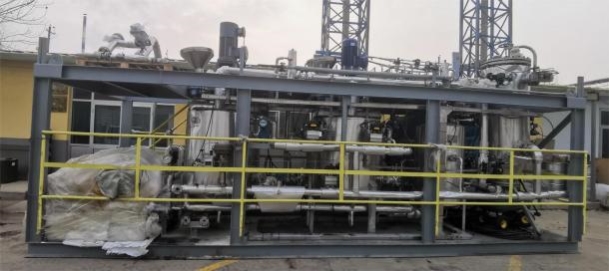
Amine liquid purification device is a complete set of skid-mounted equipment designed and assembled for removing impurities, purifying and upgrading desulfurization (H2S) device or decarbonization device (CO2) amine liquid (the main component is N-methyldiethanolamine).
The device in this procedure is a set of amine liquid purification
skid-mounted equipment newly designed and manufactured by the company, including a pretreatment set of skids, activated carbon filters and electrodialysis de-heating stabilized salt skid-mounted, all the equipment is designed in accordance with the requirements of explosion-proof, and the main equipment components are shown in Table 3-1.
Table 3-1 Composition of the device
|
No.
|
Equipment name
|
Quantity
|
Remarks
|
|
1
|
pretreatment skid
|
1 set
|
booster pumps, circulating
pumps, disc centrifuges,
activated carbon mixing tank,
the main control cabinet,
centrifuge control cabinet
|
|
2
|
activated carbon filter
|
2 sets
|
two cartridge filter switching
|
|
3
|
electrodialysis skid
|
1 set
|
fresh water, concentrated
water, extreme water,
produced water tanks and
corresponding pumps; 3
security cartridges, ED416-250
membrane stack, membrane
stack high-frequency
switchgear, general control
cabinet
|
|
4
|
control room
|
1 set
|
container
|
|
5
|
Piping and fittings
|
1 set
|
|
2. Amine liquid purification device technological principle
The amine liquid purification in this procedure includes two parts: amine liquid pretreatment and electrodialysis to remove thermostable salt.
Pre-treatment part of the first disc centrifuge to remove solid particles, suspended solids in the lean amine liquid, and then adsorption of activated carbon filter decolorization, oil removal, after pre-treatment of the lean amine liquid and then enter the electrodialysis module to remove the thermostable salt.
Centrifugal separation is a method of separating substances of different specific gravity with the help of centrifugal force. Because the centrifuge equipment can produce quite high angular velocity, so that the centrifugal force is much larger than gravity, so the solid particles in the solution, suspended matter will precipitate precipitation, and because of the specific gravity of different substances subject to different centrifugal force, and thus the settling speed is different, can be made to achieve the separation of different specific gravity of the material.
Electrodialysis is a kind of membrane separation equipment that utilizes the selective permeability of the charged membrane and the effect of electric field force to separate the ionic substances in the water to achieve the desired purpose such as desalination and concentration. The main parts of electrodialyzer are clamping device, anion and cation exchange membrane, partition plate, electrode plate and DC power
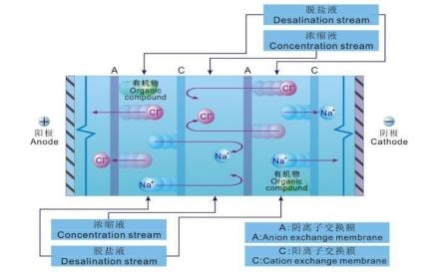
Figure 3-1 Electrodialysis principle illustration
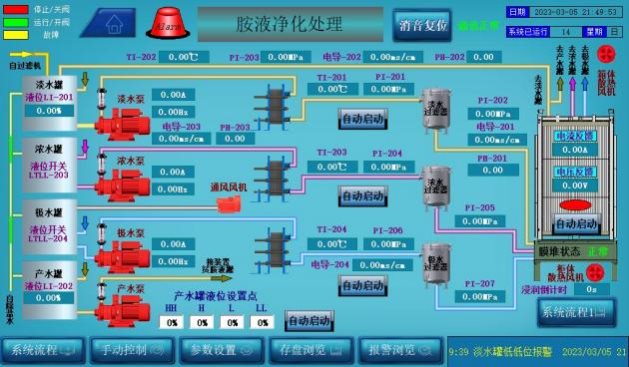
The principle flow chart of amine liquid purification system is shown in Figure 3-2. the amine liquid from the device first enters into the filtration skid, the amine liquid is filtered in addition to mechanical impurities, and then enters into the activated carbon mixing tank, and then the amine liquid mixed with activated carbon enters into the activated carbon filter, and the activated carbon particles are blocked in the filter, and then the amine liquid that is purified from decoloration is pumped and pressurized into the electrodialysis membrane pile, and the salt particles in the amine liquid under the action of the electric field enter into the high brine tank through the circulation. Under the action of electric field, the salt particles in the amine liquid pass through the circulation, the concentrated water enters into the high brine tank, and the purified amine liquid enters into the buffer tank of purified amine liquid, and then returns to the device amine liquid system after being pressurized by
functions.
1.3 Power supply production technology: high reliability, long life, strong environmental adaptation.
1.4 New transducer structure: spatial multi-dimensional direction of large energy ultrasonic waves, there is no “dead space”.
1.5 Unique frequency sweeping technology: the optimized duty cycle of pulse rest and relaxation is adopted to minimize energy consumption.
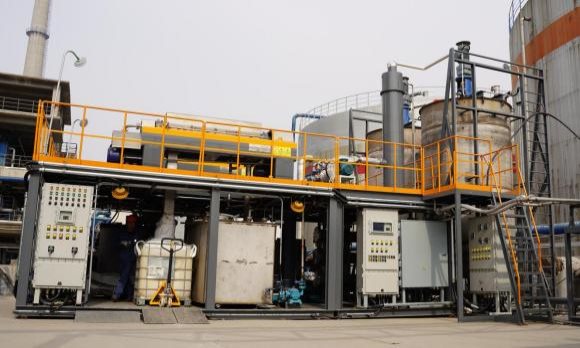
Our company ultrasonic three-phase separation technology adopts ultrasonic-centrifugal combination technology, the core of which is ultrasonic emulsification, i.e., the use of ultrasonic technology to emulsify the floating slag or heavy contaminated oil. The complete set of technology realizes the three-phase separation of oil, water and solid impurities in the heavy contaminated oil, so as to achieve the reduction of slag and the resource utilization of the recovered heavy contaminated oil. The core of this technology lies in the multiple ultrasonic emulsification separation device, the use of ultrasonic “cavitation effect”, so that the liquid cavity formation, oscillation, growth, contraction and collapse, prompting the slagging of heavy polluted oil in the emulsified droplets rupture, emulsification, and then centrifugal separation of two stages, to achieve the three-phase separation of oil, water, solids.
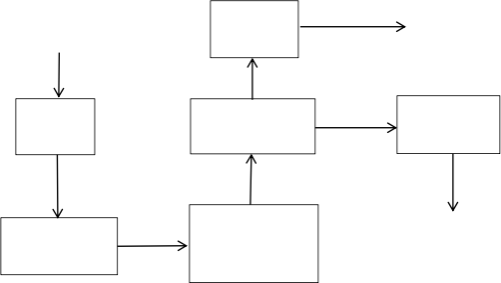
The process flow diagram is shown in the following figure:

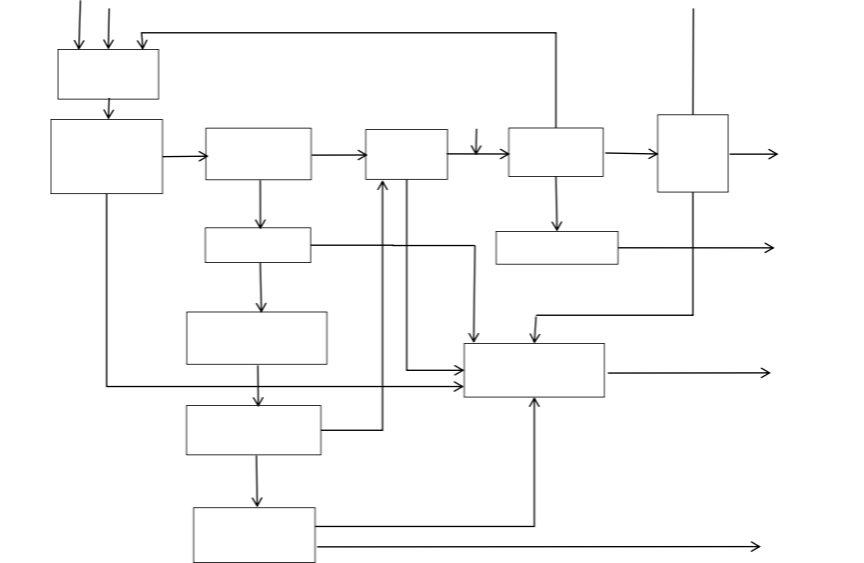
The process flow is described as follows:
Slag, heavy dirty oil into the stirring heating tank, heated to about 50-70℃, through the ultrasonic emulsion breaking, the use of liquid-liquid separation technology, separation of heavy dirty oil in the crude dirty oil, stored in the skid-mounted internal storage tank, by the pump pressurized by the closed pipeline discharged to the site storage tank, for refining back; separation of mud and water mixture by adding flocculant through the solid-liquid separation, to completely separate the sludge and water. Separated water into the skid-mounted water storage tank, partially sent back to the device for reuse after pump pressurization, excess sewage from the closed pipeline into the nearby sewage wells, return to the sewage treatment system; separation of mud as hazardous waste sent out for disposal.
2. Advantages of Ultrasonic Three-Phase Separation Technology
Using ultrasonic physical emulsion technology, no chemical additives, no secondary water pollution;
Ultrasonic action completely and thoroughly, can realize the oil, water, mud, three-phase separation;
The separation and oil removal force is large and efficient, the separated oil can meet the requirements of refining, the mud can be solidified and mixed with coal-water slurry as the raw material of coal gas, and the separated water can directly enter the biochemical system.
Ultrasonic three-phase separation complete set of equipment features:
① Equipment skid design, site assembly into a whole, by the site control room computer operation and control, when the computer failure can be controlled by the outdoor PLC to realize automatic operation;
② Raw materials, oil storage tanks, water storage tanks and other tank levels with high high, low low level interlock, start / stop interlock between units to ensure the safety of equipment operation;
③ The device adopts closed operation mode, the VOC gas generated in the heating and mixing tank, oil storage tank, mud tank, water storage tank, collected into the closed washing adsorption tank for alkali pre-treatment to achieve no odor, and then access to the site of the RTO collector pipe, through the RTO treatment to meet the standards of discharge. If not into the RTO, can increase the activated carbon adsorption tank, exhaust gas by activated carbon adsorption and then discharged.
④ The oil and water storage tanks in the equipment are operated intermittently, the valves are opened for external discharge when the liquid level reaches a high setting value, and the valves are closed when the liquid level is lowered to a low setting value, and the amount of dirty oil and sewage produced can be calculated by measuring the number of times that the valves are opened and closed and the volume of the tanks.